At some stage, almost every household reaches the same frustrating conclusion: regular home cleaning no longer feels effective. Floors are wiped, surfaces look tidy, yet dust returns quickly, odours linger, and the home never quite feels fresh for long. This isn't laziness or poor effort—it's a structural limitation of routine cleaning.
Understanding why this happens is the first step toward healthier, longer-lasting cleanliness.
What Regular Home Cleaning Is Designed to Do?
Regular home cleaning focuses on maintenance, not correction. Its purpose is to keep visible areas presentable and prevent everyday mess from building up. Tasks like sweeping, wiping counters, quick mopping, and surface dusting fall into this category.
When done consistently, home cleaning helps maintain basic order. However, it is not designed to remove deeply embedded dirt, grease layers, allergens, or bacteria that accumulate over time.
That gap is where the problem begins.
Why Regular Home Cleaning Eventually Loses Effectiveness
Over time, several invisible factors start working against routine cleaning methods.
Dirt Moves Deeper, Not Away
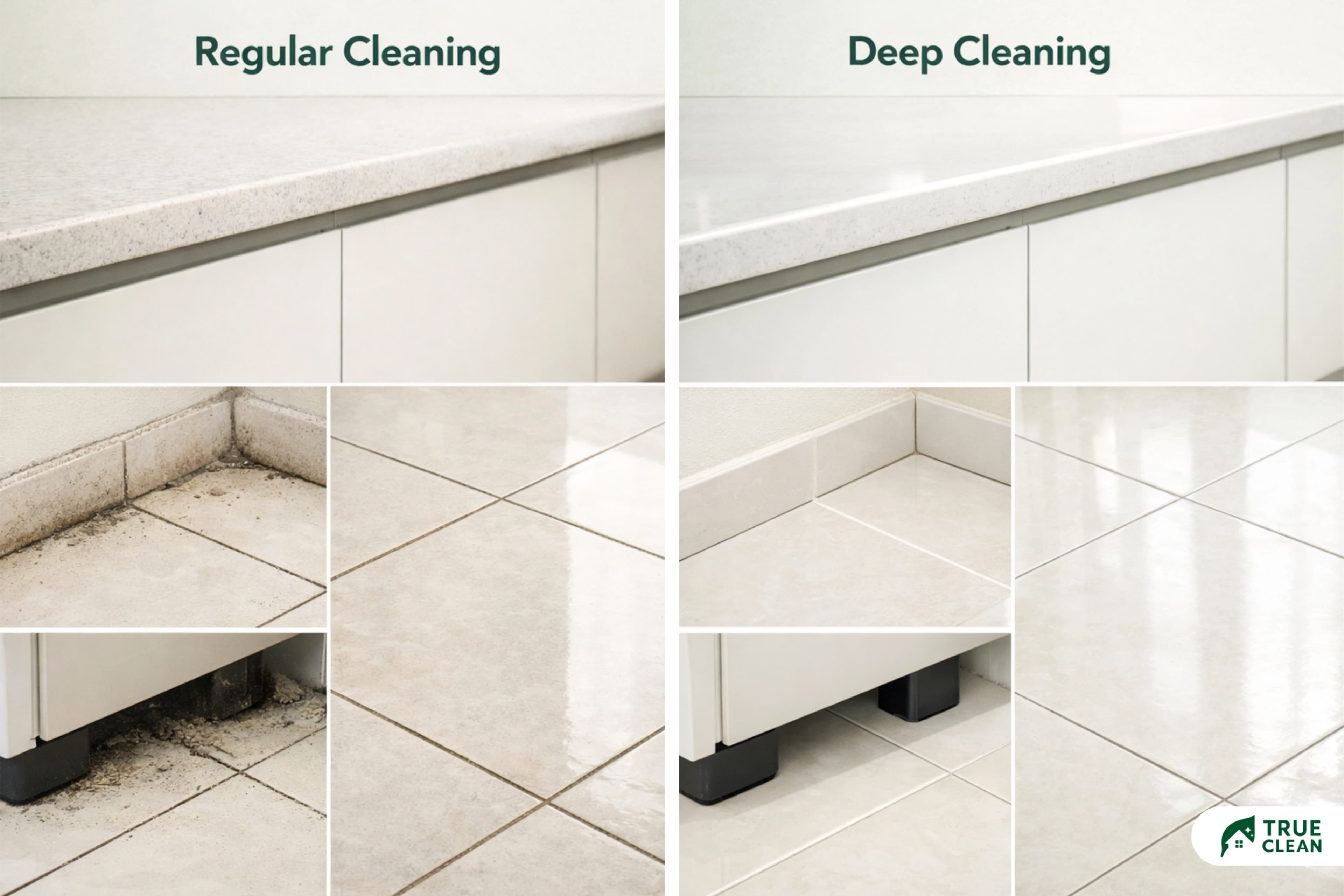
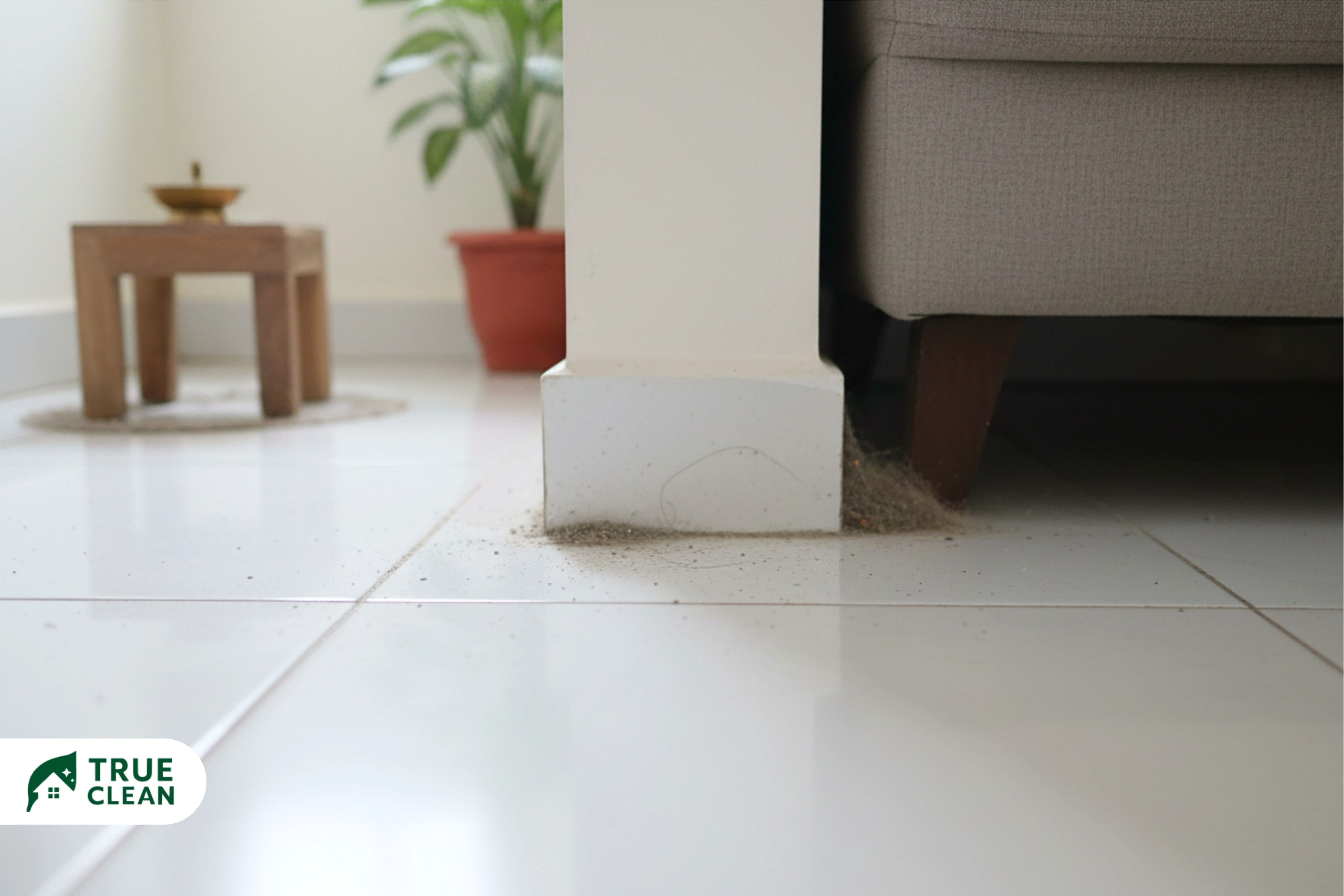
Most dust and grime doesn't disappear—it migrates. During repeated home cleaning, particles get pushed into corners, grout lines, upholstery fibres, vents, and under fixed furniture. Once dirt settles into these areas, surface-level cleaning can no longer remove it.
As a result, homes begin to look clean but feel dusty, dull, or stale within days.
Grease and Residue Build Up in Layers
In kitchens and bathrooms especially, grease and residue accumulate gradually. Standard wiping spreads these layers thinner but doesn't fully remove them. Over time, surfaces attract dirt faster, making cleaning feel pointless.
This is why even frequent home cleaning may fail to restore shine or hygiene after a while.
Indoor Air Quality Declines
Another overlooked factor is air circulation. Dust trapped in fans, soft furnishings, and vents keeps re-entering the room. Regular cleaning rarely addresses these sources, so allergens remain airborne.
When indoor air quality drops, homes feel uncomfortable even when visually tidy.
The Difference Between Clean and Hygienic
A key misunderstanding in home care is equating "clean" with "safe."
Regular home cleaning improves appearance, but hygiene requires deeper intervention. Bacteria, mould spores, and allergens survive routine wiping and vacuuming. In humid or poorly ventilated spaces, they multiply silently.
This explains why families sometimes experience allergies, irritation, or persistent odours despite consistent cleaning habits.
Signs That Regular Home Cleaning Has Reached Its Limit
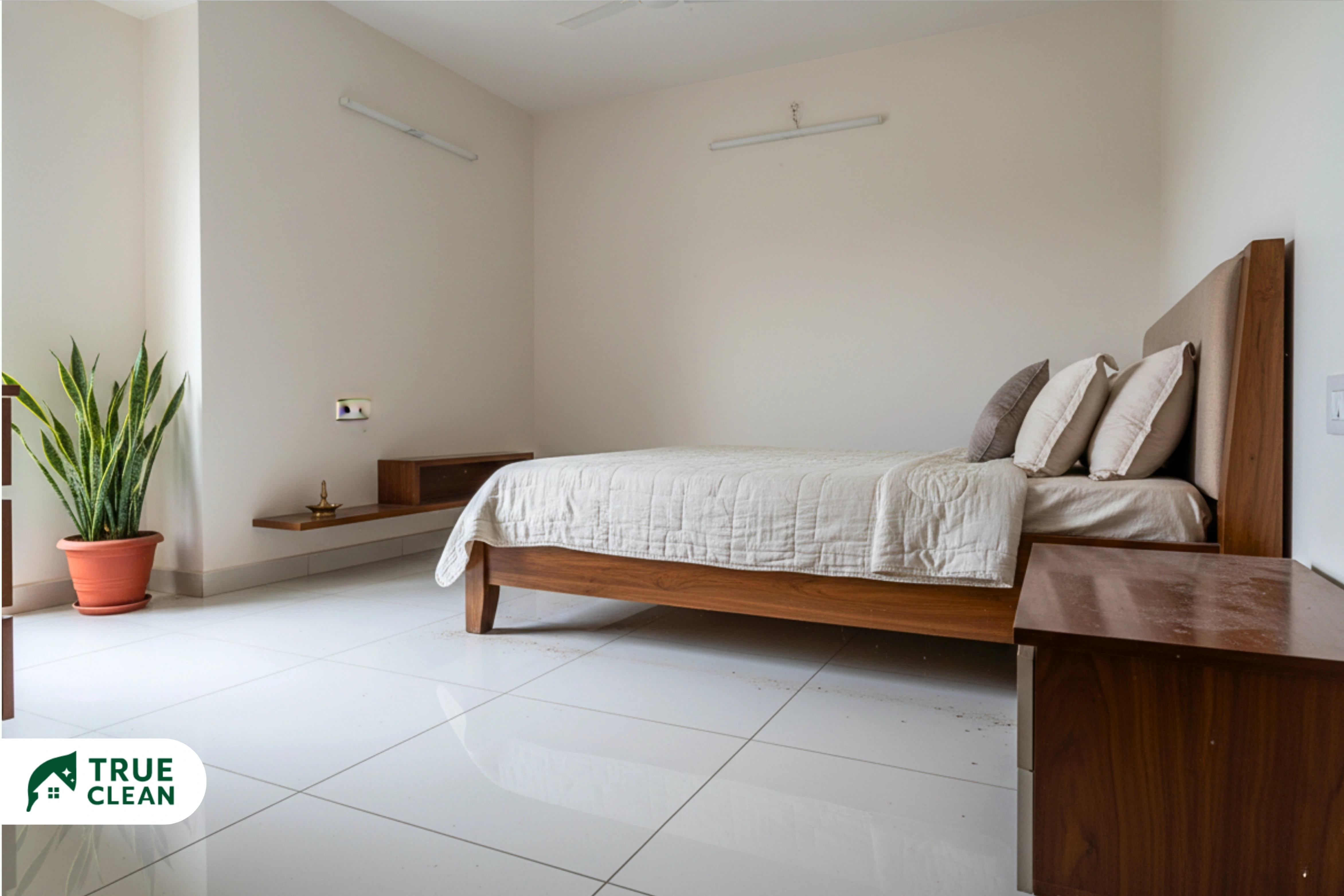
Certain signals indicate that maintenance cleaning alone is no longer enough.
Persistent Dust or Odours
If dust settles within a day or smells return quickly, it often means contaminants are embedded deeper than surface cleaning can reach.
Dull Floors and Sticky Surfaces
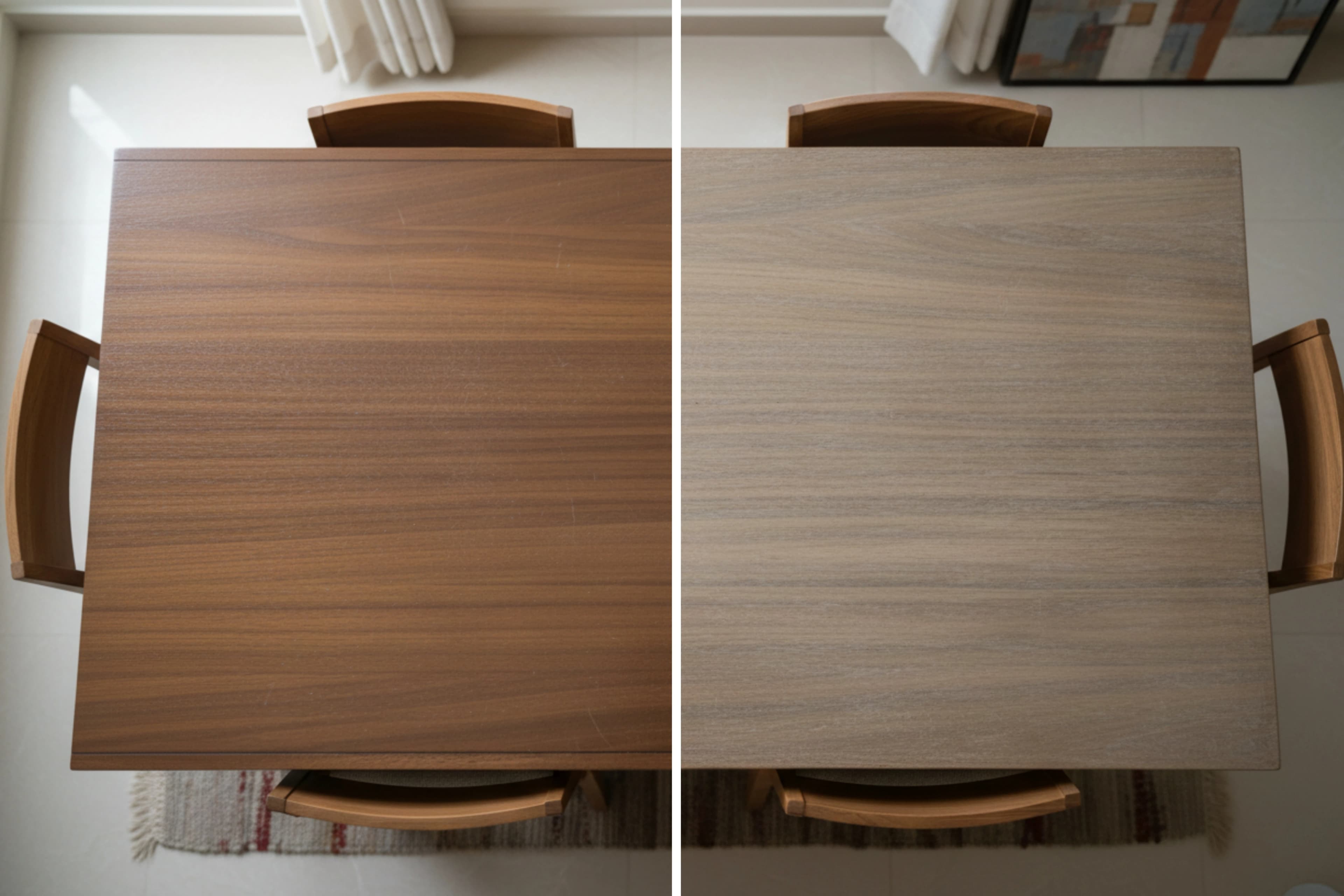
Surfaces that never regain their original finish usually carry residue layers that require specialised cleaning methods.
Increased Allergies Indoors
Sneezing, itching, or breathing discomfort inside the home can point to trapped allergens that regular home cleaning does not remove.
Why Homes Need Periodic Reset Cleaning
Every home needs a reset phase. While daily or weekly home cleaning maintains order, deeper cleaning corrects what routine care cannot.
This reset focuses on:
- Removing embedded dirt
- Cleaning neglected or hard-to-reach areas
- Improving hygiene and indoor air quality
- Restoring surfaces to a healthier baseline
Once this reset is done, regular home cleaning becomes effective again.
How Smarter Cleaning Extends Results
The goal isn't to clean more often—it's to clean strategically.
By combining routine home cleaning with occasional deeper interventions, homes stay cleaner for longer, surfaces resist dirt buildup, and indoor air quality improves. This approach also reduces long-term effort and prevents cleaning fatigue.
Conclusion: Clean Smarter, Not Harder
Regular home cleaning plays an essential role in maintaining daily comfort. However, it is not designed to solve every hygiene issue indefinitely. When dirt settles deeper, surfaces hold residue, and air quality declines, routine cleaning reaches its limit.
Recognising this shift allows homeowners to clean more effectively, protect health, and restore balance. A smarter cleaning approach ensures homes remain not just tidy, but genuinely comfortable to live in.
Quick Answer Question: Why does my house feel dirty even after regular home cleaning?
A house can feel dirty after regular home cleaning because dust, grease, and allergens accumulate in hidden areas that routine cleaning does not reach. Over time, these contaminants affect hygiene and indoor air quality, making deeper cleaning necessary.
Help Hub:
Questions & Answers
Regular home cleaning is typically done weekly or bi-weekly to maintain visible cleanliness and prevent surface dirt buildup.
No. Regular cleaning reduces allergens on surfaces, but deeper cleaning is required to remove allergens trapped in fabrics, vents, and hard-to-reach areas.
Dust returns quickly when particles are trapped in soft furnishings, fans, and air circulation points that routine home cleaning does not address.
Frequent cleaning helps with appearance, but hygiene depends on removing bacteria and residue that build up over time, which regular cleaning alone cannot achieve.
Deeper cleaning should be considered when regular home cleaning no longer improves freshness, hygiene, or indoor comfort.